

How to Repair a Broken Window
Broken window glass can be caused by a storm or a child kicking a ball. It could cause further issues, such as drafts or water seepage that drives up your energy costs.
There are several ways to repair the crack depending on its size. Here are a few suggestions to think about.
Tape
A tape that's old-fashioned can be used to temporarily repair cracks in your windows. It's simple to use, inexpensive and can be used for a long time. Cover both sides of the cracked area to ensure it's as secure as possible. This will help to reduce air from coming in, which can lead to further damage to the glass and shatters within the window. Clear tape is a great option since it looks much nicer than duct tape, and doesn't leave a sticky residue after you take it off.
You can also purchase specialized adhesive tape in most hardware stores. It is available in two x 30 foot lengths and forms a patch that is invisible. This will stop the crack or tear spreading. It is ideal for window enclosures for boats and RV or tent vinyl windows and even soft top car windows. It is easy to use and requires no specialized tools or expertise. Just cut the correct size, then remove the release paper and apply it. It is resistant to UV and saltwater and is made of a tough material that can withstand harsh conditions. This will help you save money by keeping you from having to purchase an entire window replacement.
Super Glue
Super glue can be used to repair chips or small cracks in glass. These adhesives bind with hydroxyl ions that are present on the surface of glass making a strong grip in a matter of seconds. These glues can be used to bond ceramic, metal or wood to glass. They are able to withstand extreme temperatures and moisture. If you have a huge project to complete, you may want to consider using epoxy glues or silicone for a more long-lasting hold and quicker drying.
It is important to dry and clean the surface before applying any glue or type to a cracked window. You'll want to remove any debris that may be present and make sure that both surfaces are clean and dry. It could be beneficial to roughen the surface well, particularly if it's extremely smooth. A gentle sanding provides the adhesive a bigger surface area to adhere to, resulting in stronger bonds.
Once you're ready to start the actual repairs, it's important to select a good glue that has been specifically designed for glass. This will ensure the glue is safe and won't leave unwanted marks or marks. Choose clear glue that is transparent once it's dried. Avoid glues that expand while they're drying, as they can exacerbate the problem of cracked glass.
You will also need to consider the way in which the glass is to be used. Super glue is acceptable if the glass will be kept in a closed area and won't be under much stress. In contrast, if the glass is going to be a part of a windshield it's best to choose an adhesive that is weatherproof.
Super glues generally take few seconds to bond, however, they may have different cure times. Some require chemical accelerators to accelerate the process, therefore it is important to follow the instructions of the manufacturer carefully. It's recommended to work in a well-ventilated space and open all windows to improve air circulation, since this will allow the glue to dry more quickly. You can also make use of a fan to boost the flow of air around your work area. This will allow the glue to dry faster.
Glass Repair Film
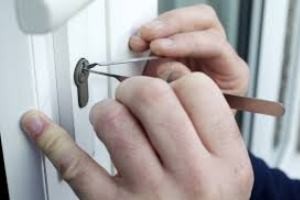
Glass repair film is an effective and practical way to ensure the security of windows damaged until they can be repaired professionally or replaced. Anyone can install it even if they're not a skilled tradesperson. It is easy to install and takes only a few minutes. It is much less expensive than a standard window glass board-up, and it will keep the rain out and heat in. It has the look of a glass window and is perfect for hospitals, schools and offices.
The sharp shards left by a broken window can cause serious injuries and even death. Window safety films have an adhesive that makes broken glass safer, by securing the fragments inside the film. The film is transparent so light can still be able to pass through it and it is much less unsightly than a boarding up especially for businesses that depend on their customers coming to their premises.
The film is easily cut with scissors or knives. It comes with a peelable backing with a grid printed on it to aid in cutting. It can be applied on either side of a window. If the surface is uneven the film can be overlapping 10cm to add extra security.
There are different types of safety window films in accordance with the kind of breakage. Amber safety films are recommended for bullseye and other breaks that have small cracks. window repairs are best for star break. Films should be applied to clean, wet glass. It is recommended to make use of a polyethylene squeegee, and soap solution. After the film is adhered to the glass, it is best to allow it to set for a few days.
This tough, clear self adhesive film has been designed to make damaged and broken glazing secure, assisting in stabilizing the integrity of the glass and protect it from weather until the permanent repair can be constructed. It is utilized in a variety of industries and is produced by Eastman Films, who have many years of experience in the production of high-quality safety and security window films throughout the world. The film is available in 15 metre long x 914mm wide rolls, and comes complete with a backing paper as well as a release liner.
Paint
When painting a window, it is essential to complete an excellent job. This will make the paint appear nicer and help it stick better. Be sure to clean the window and scrape off any paint or wood that is loose. It is also essential to take out any hardware, such as handles and latches. You will also want to sand down the surface you are going to paint. This will create a smooth surface that the primer and paint can be able to bond with.
Make sure to protect the window's area by using painters' tape and plastic sheeting. This will prevent paint from accumulating on areas that aren't supposed to be painted. I prefer green frog tape to do this as it provides an uncluttered line that is easy to take off when the time comes. Painters tape is a great option for any edges that are adjacent to the wall surfaces.
After the window is secured and the window is secured, it's time to begin the actual painting process. You'll need to apply several coats of primer and allow each one to dry before moving on. After priming the area you can lightly sand the entire surface using fine-grit sandpaper. This will make the surface smoother for the next coat, and also remove any dust.
If you are using oil or acrylic based paints and primers, then you'll need to wait for them to fully dry before you can begin the painting process. Depending on the brand of paint you are using, this process can take up to 24 hours.
After the primer and paint are dry, it's now time to paint. Paint the rails (horizontals first) before the stiles (verticals). This will prevent paint drips from reaching the glass. Keep a moist cloth on hand to clean any paint drips immediately.